Category: Uncategorized

  • Mr. Mac’s Farewell to Rock-it Science

    Hello Rock-it Science Families!

    After more than thirty years as a beloved science teacher, John McChesney (known to his students as “Mr. Mac”) has retired. If you know any of Mr. Mac’s former students, please share this news with them.

    If you or your child has been fortunate enough to experience Mr. Mac’s classes, the best thank-you gift you could give him is a donation to Rock-it Science so that his work can continue for the next generation.

    DONATE NOW.

    Mr. Mac‘s unique teaching method combined fantastical storytelling with exciting hands-on science experiments. His laboratory classroom, full of amazing gadgets and equipment, provided a stress-free environment where kids could have fun exploring science. His lessons were designed to give kids the thrill of real scientific discovery, and many parents have called Rock-it Science a “life-changing” experience for their children.

    Before he retired, Mr. Mac spent five years searching for the right person to replace him. He needed to find someone who really “gets” Rock-it Science, who has not only a science background but also an understanding of children, a sense of humor, and the ability to tell stories and illustrate them on the fly.

    He found the ideal replacement in Mary Lyn Azar, who has been teaching at Rock-it Science for the past three years. Mary Lyn has a degree in aeronautical engineering, has taught art in public schools, and has the gift of storytelling in the Rock-it Science style. A mother of four, her kids have been homeschooled and also attended public school.

    When Covid-19 hit in the Spring of 2020, we had to close our laboratory classroom and put all our gear in storage. Since then, Mary Lyn has been teaching Rock-it Science lessons online from her home via Zoom, and the students love her! In the Summer of 2021, she not only taught online summer camps, but also provided custom “pod” camps at private homes.

    Eventually, when it’s safe to reopen, we’ll need to find a new location to rent, get our gear out of storage, and hire more staff. Your donation will go a long way toward making this happen. Please help us continue Mr. Mac’s vision with a generous donation today.

    And leave a message for Mr. Mac, too!

    Choose how you’d like to donate:

    CLICK HERE to donate with PayPal or credit card.

    Mail a check to: Rock-it Science, PO Box 111207, Campbell, CA 95011

    Thank you!

  • Feeding the People

    Feeding the People

    by Mr. Mac

    T-Rex

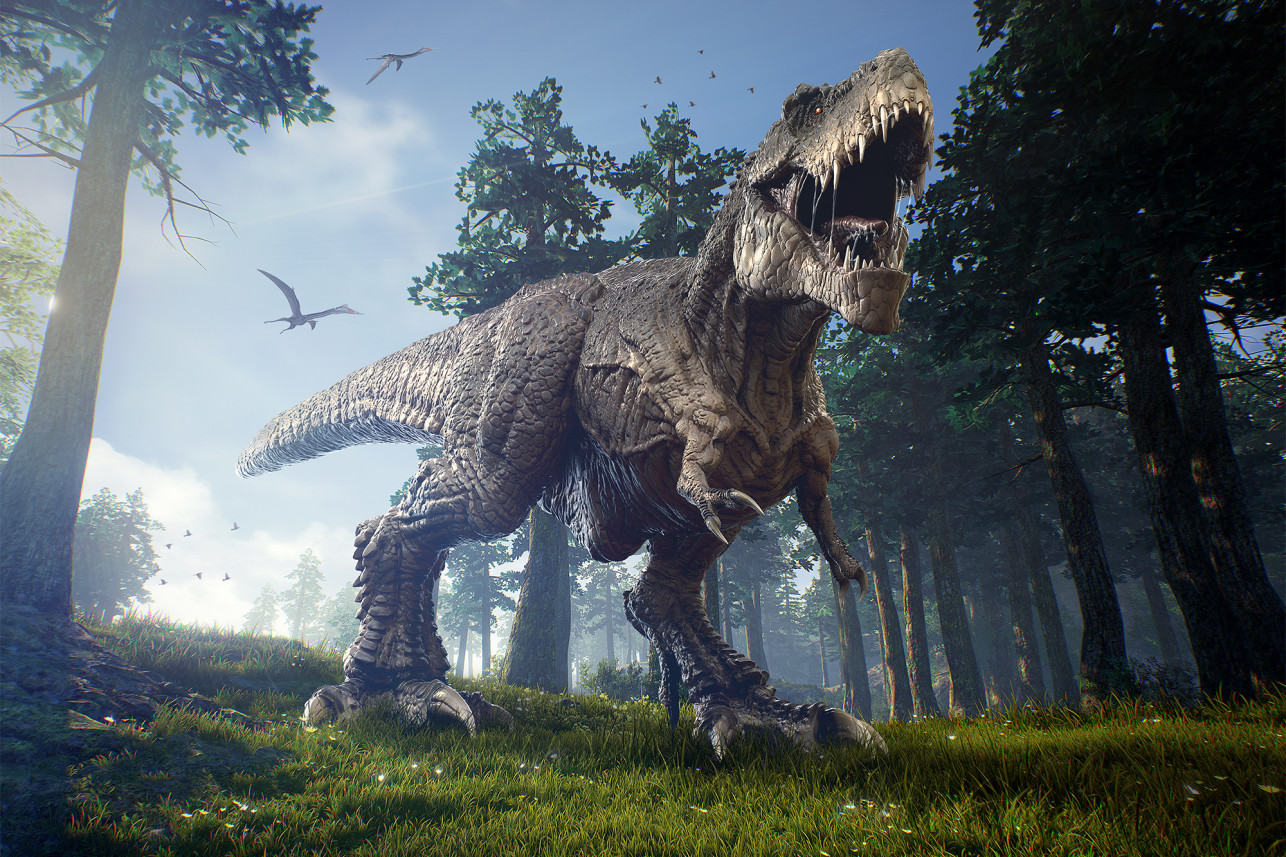
    It’s fun to learn about the most powerful creatures on earth and how they live. Children like to study the tyrannosaurus rex because it is such a dangerous looking creature and it is at the top of the food chain. Telling children about something like grass at the bottom of the food chain just doesn’t have the same impact. But in order to avoid some terrible consequences, we need to carefully consider what we do on this planet in regard to the lowest parts of the food chain. If we upset the balance at that level we could accidentally create a famine.

    All of our grain crops are very near the bottom of the food chain, but they are essential to our well-being. All the green trees, plants, grasses, and algae need carbon dioxide to live. And all of the creatures that breathe air, or extract oxygen from the waters, need oxygen to survive. Our atmosphere has about 21 percent oxygen and that amount works well to keep us alive and happy. Humans are out-weighed by all the green trees, plants, grasses, and algae by a factor of about 10 thousand to 1, but those living organisms don’t have 21 percent carbon dioxide in the atmosphere… they have five hundred times less! All they get is 0.04% carbon dioxide.

    It is conceivable that humanity could reduce the carbon dioxide in the atmosphere so that we could reduce the warming trends of climate change. And if we successfully remove enough carbon dioxide to reduce the warming trend, would that hinder the growth of the green plants and other green creatures at the bottom of the food chain? Would our global food production be affected?

    We know that plants grown in greenhouses at higher temperatures, more hours of light, and with much higher levels of carbon dioxide grow faster, larger, and produce greater crop yields. We also know that with lower levels of carbon dioxide, the plants grow more slowly and produce less food.

    We have to consider the population growth of this planet and plan how much food will be needed in the future. We also have to take into account the possibility of global disasters. We need to continue growing enough food to feed everyone if a combination of events causes crop failure. This has happened before by an event like the volcanic eruption of Mount Pinatubo.

    Mt. Pinatubo Erupting

    During the eruption of Pinatubo on June 15, 1991, a cloud 684 miles wide (1,100 kilometers) and 22 miles high (35 kilometers) formed over the volcano, carrying about 17 megatons of sulfur dioxide into the stratosphere, according to researchers led by Stephen Self of the University of Hawaii at Manoa writing in the USGS publication “Fire and Mud.”
    While the larger particles of ash fell out of the sky fairly quickly, the sulfur dioxide became fine droplets, or aerosols, of sulfuric acid. These prevented inbound solar energy from reaching the planet’s surface, which caused global cooling. The cloud of aerosols created by Pinatubo spread around the globe in about three weeks and ultimately caused a dramatic decrease in the amount of solar energy reaching the planet, according to the researchers.
    As a result, from 1992 to 1993, large parts of the planet cooled as much as 0.7 degrees Fahrenheit (0.4 degrees Celsius), they wrote.
    These tiny droplets remained suspended for one to three years, but the effects they produced in that time were complex, according to David Pyle, a professor of earth sciences at the University of Oxford.

    By Wynne Parry June 15, 2011 Planet Earth

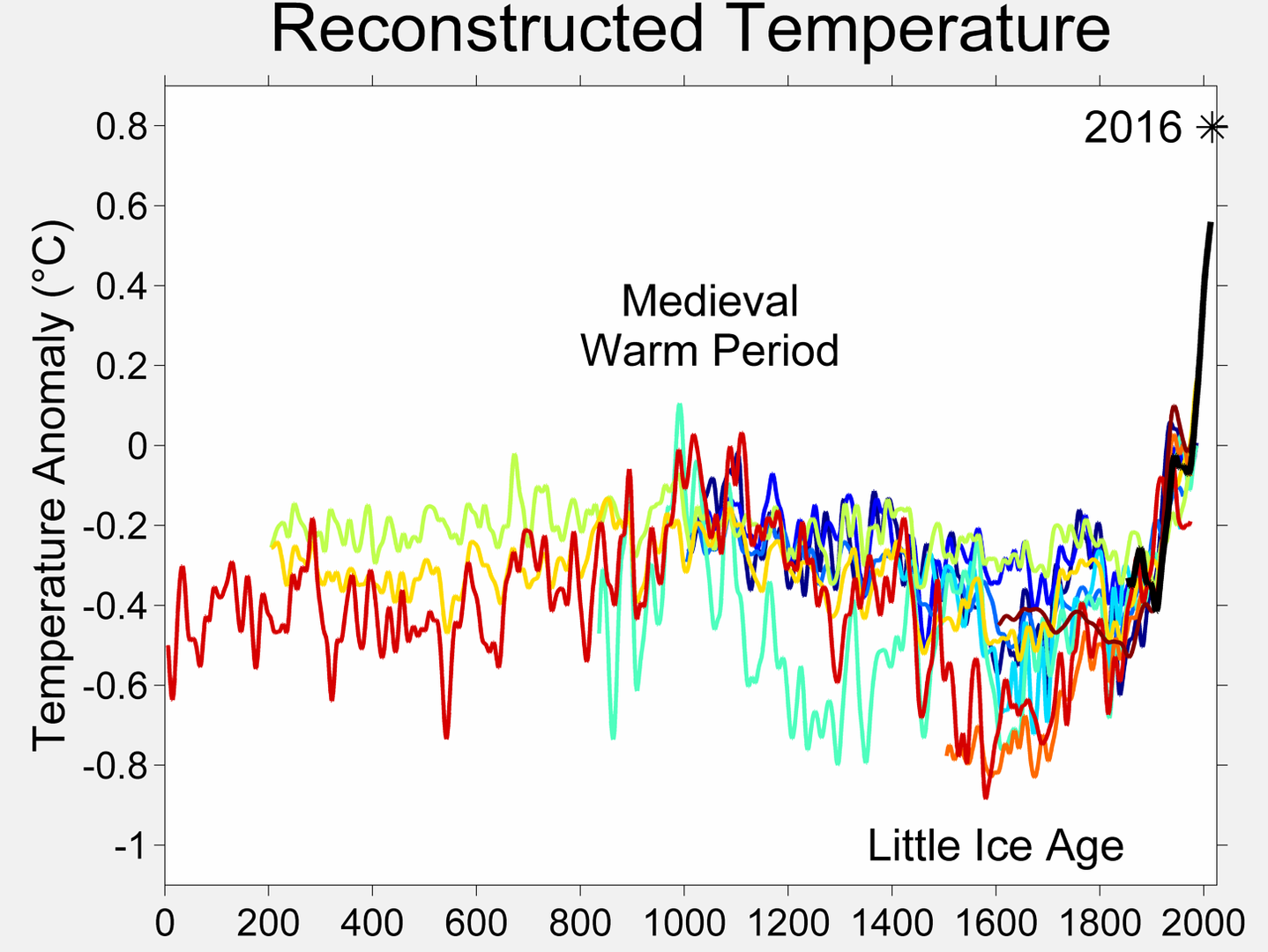
    A cooling of 0.4 degrees Celsius in one year doesn’t seem like much but it can have profound effects on the germination and growth of crops if it is sustained for a long time. The Little Ice Age had temperatures that were about 0.6 degrees Celsius lower than the average temperature between 1950 and 1980.

    According to Wikipedia “Little Ice Age”:

    In his 1995 book the early climatologist Hubert Lamb said that in many years, “snowfall was much heavier than recorded before or since, and the snow lay on the ground for many months longer than it does today.”

    [25] In Lisbon, Portugal, snowstorms were much more frequent than today; one winter in the 17th century produced eight snowstorms.[26] Many springs and summers were cold and wet but with great variability between years and groups of years. Crop practices throughout Europe had to be altered to adapt to the shortened, less reliable growing season, and there were many years of dearth and famine (such as the Great Famine of 1315–1317, but that may have been before the Little Ice Age).[27] According to Elizabeth Ewan and Janay Nugent, “Famines in France 1693–94, Norway 1695–96 and Sweden 1696–97 claimed roughly 10 percent of the population of each country. In Estonia and Finland in 1696–97, losses have been estimated at a fifth and a third of the national populations, respectively.”[28] Viticulture disappeared from some northern regions and storms caused serious flooding and loss of life. Some of them resulted in permanent loss of large areas of land from the Danish, German, and Dutch coasts.[25]

    And all of that happened because of a 0.6 degree Celsius drop in temperature lasting from about 1200 CE to 1900 CE as shown by the graph below. Since we have decided that the carbon dioxide in the atmosphere is the cause of the current warming, we need to be very careful about how we proceed to avoid accidentally overshooting our target and causing a famine.

    The graph below shows the temperature changes during the last two thousand years with the average temperature from 1950 to 1980 being the zero line.

    CC BY-SA 3.0, https://commons.wikimedia.org/w/index.php?curid=466264

    Reconstructed Temperature

    If we do not plan for natural disasters that cause cooling, we may end up having a global shortage of food. To make things worse, when the oceans cool, they absorb more carbon dioxide from the atmosphere, leaving even less for our food crops. Currently, our warming oceans and increasing levels of carbon dioxide help in the production of food for the growing number of people and creatures of this planet.

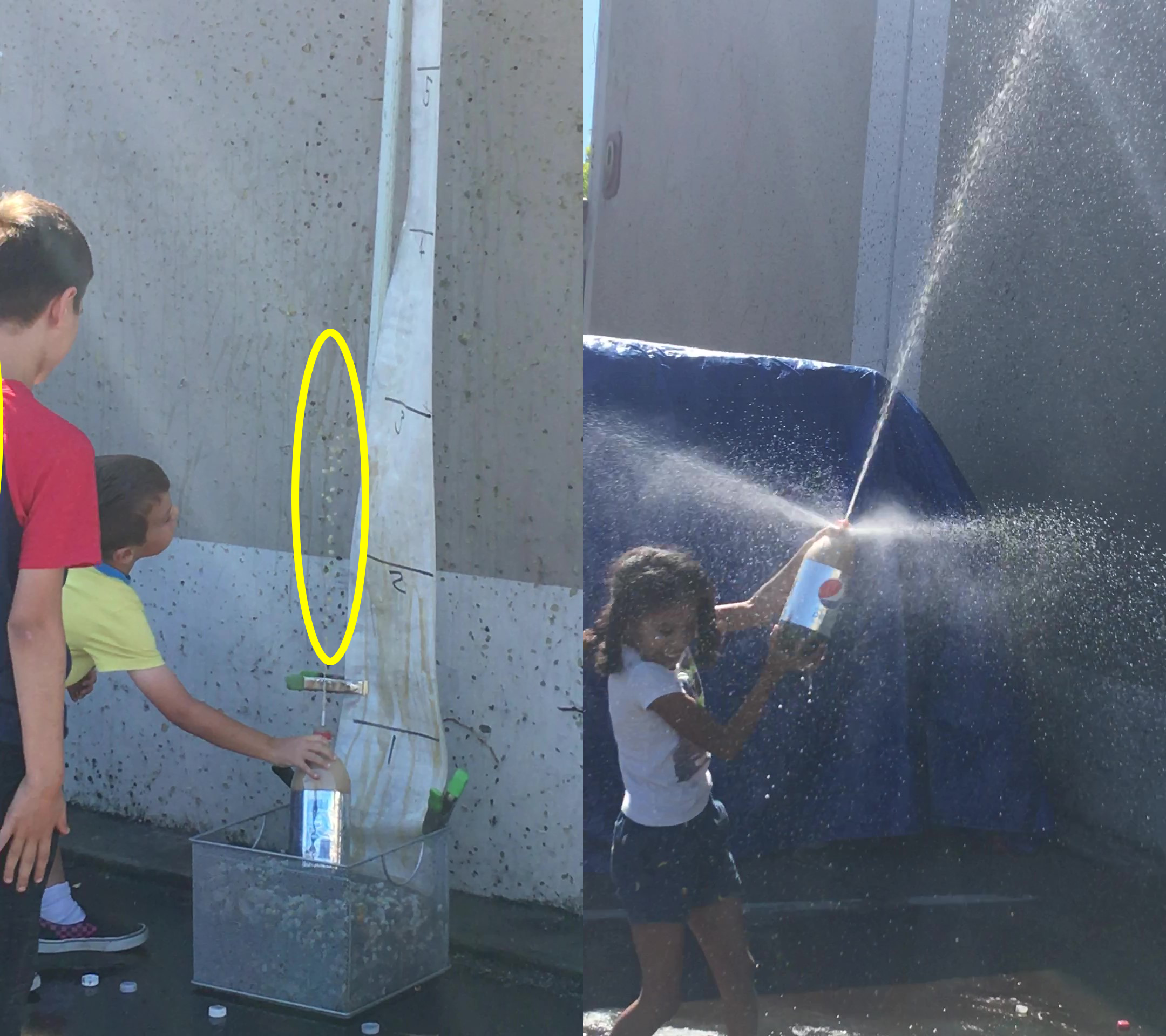
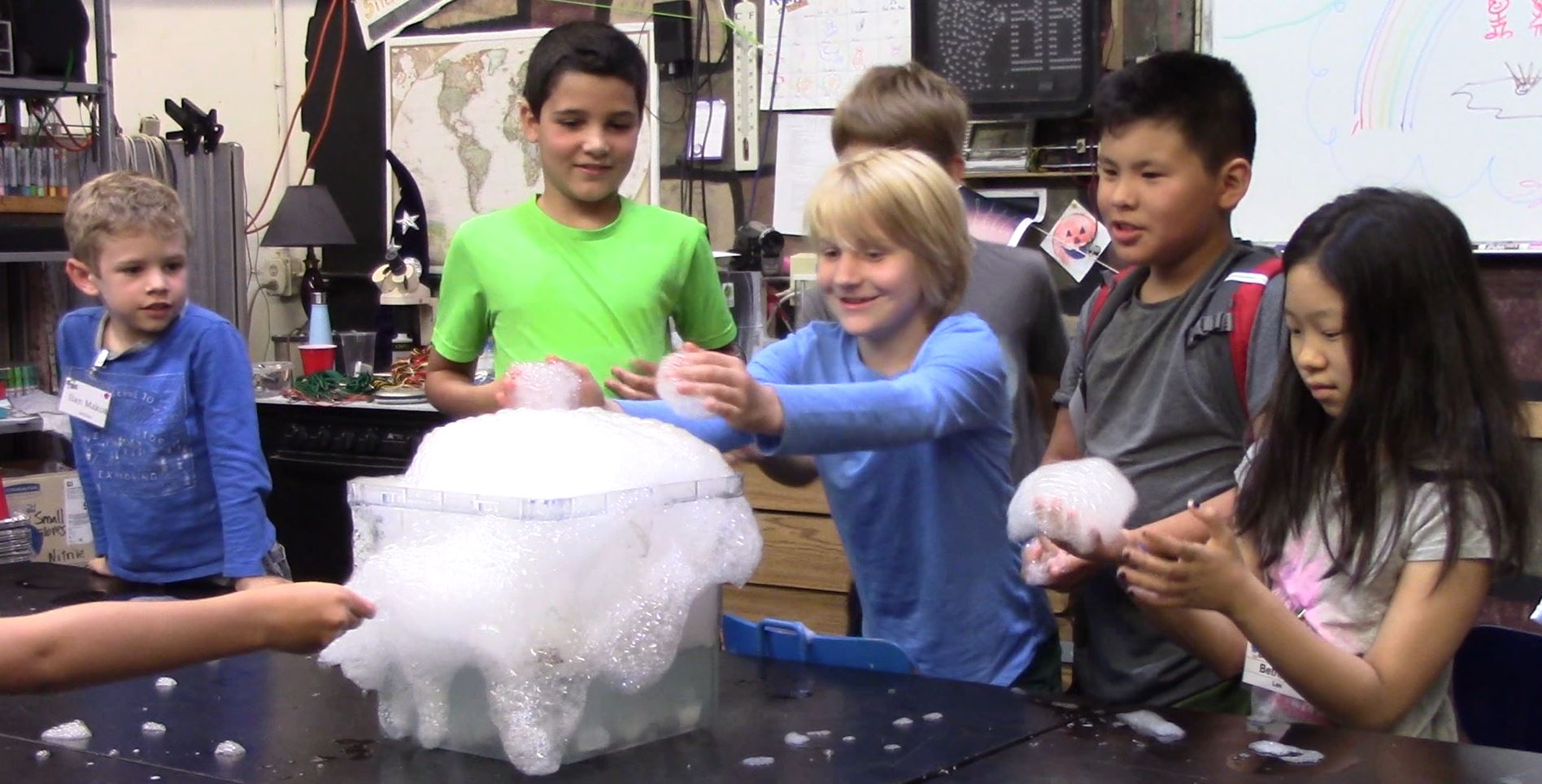
    In one of our experiments at Rock-it Science, we let the students drop Mentos mint candies into diet cola of different temperatures. The warm cola shoots a stream of cola liquid over twenty feet high, but the cold cola hardly reaches three feet high.

    Mentos Long & Short Spray

    This is because the carbon dioxide likes to stay within the cold cola and it likes to quickly fizz out of the warm cola. And the same thing happens in our oceans. As the oceans warm up, they release more carbon dioxide and as they cool down they absorb more from the atmosphere.

    If our warming planet causes the ice to melt and the sea levels to rise, we will have to develop plans to move people and cities to higher ground. That kind of problem can be solved by the ingenuity of people… it is something that we are good at doing when we work together. Also, the oceans will rise slowly enough so that people will have a chance to make a move without great loss of life. But if we unwittingly cool the planet by reducing the levels of carbon dioxide, it could cause a chain reaction that will result in the starvation deaths of millions of people.

    Look into this yourself and talk to your children about it… it could save millions of lives.

  • Morality in Rock-it Science Stories

    Morality in Rock-it Science Stories

    by Estelle Gow, Rock-it Science Webmaster

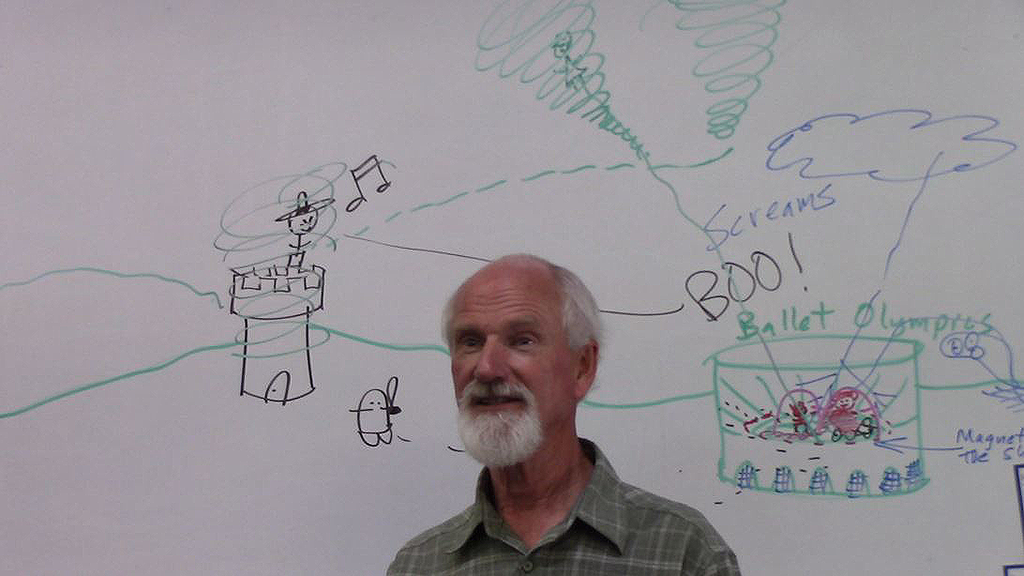
    MrMacWhiteboardStory2

    Yesterday Mr. Mac told me about an article he had just read about how the Inuit people use storytelling to teach their children to control their anger. When a child misbehaves or gets angry, the parents don’t shout or scold. Instead, they teach children how to behave properly by telling them stories. You can read the article here.

    That got me thinking about how Mr. Mac uses storytelling as an integral part of Rock-it Science lessons. In each lesson, we tell the students a crazy “fractured fairytale” type story about two friends named Jack and Jill and their nemesis, the Evil Mister Fred and his minions. (Yes, we’ve been telling stories about minions for many years, long before the movie came out!)

    The purpose of the story is to get the students into a creative frame of mind and to spark their imagination. We tell the story only up to the point of a cliffhanger, where Evil Mister Fred appears to have the upper hand, and Jack and Jill and their friends are in jeopardy. Then we ask the students, “If you were Jack and Jill, what would you do?” We also ask the students to imagine that there is an “Acme Store of Everything” where they can order whatever they need, whether it’s a coil of rope, a flying caterpillar, a thunderstorm, or even a volcano. This frees the students’ imaginations and gets them into thinking about out-of-the-box solutions. Then they do the hands-on experiment while they’re in this creative frame of mind. We don’t tell them how the experiment is supposed to turn out, so the kids are observing everything and making their own discoveries. After the experiment, we finish the story, which always ends with Jack and Jill being successful and Evil Mister Fred’s plans being foiled.

    But there’s another aspect of Mr. Mac’s stories that may not always be apparent, and that’s the morality of them.

    A few years ago, I decided to take a crack at writing a Rock-it Science story, and I gave the draft to Mr. Mac to read. In the story, Evil Mister Fred and his minions were placing gun powder in tunnels under the town of Goodville in order to blow it up. I had written an ending in which Jack and Jill discover the plot and send the gunpowder back to Evil Mister Fred to blow him up instead. Mr. Mac really liked the story, but when it came to the ending he said, “Jack and Jill would never do that. They never do evil things. You need a different ending.” So I came up with a way for Evil Mister Fred’s plan to backfire through the incompetence of his own minions rather than from direct aggression from Jack and Jill.

    Prior to writing this story, I had never really thought about that basic moral principle that Mr. Mac carries in all of his stories. Simply put, Jack and Jill are always doing good. They offer their problem-solving services to those who need it for free. When they acquire riches, they give them to the poor.

    Jack and Jill never do evil things, not even when they’re confronting Evil Mister Fred and his minions. No matter how evil his behavior, Jack and Jill would never just pull out a gun and shoot him. Evil Mister Fred is always defeated by having his own evil plans somehow backfire on him.

    This morality is never pointed out and the stories are never preachy. As far as the students are concerned, Jack and Jill are just enthusiastic, adventurous kids who have exciting lives. They also happen to be great role models.

  • 2019 Summer Camps

    Half-Day Summer Camps for Ages 5-13

    REGISTER NOW
    Get the Early Bird Price Before April 1st!

    General Camp Info & Schedule
    Camp Descriptions
    How to Register
    Join our Email List

    Camp Students

    New to Rock-it Science?
    Think of us as Mister Rogers Meets MythBusters!

    At Rock-it Science, we’re all about trial and error learning. Our Director, Mister Mac, is an engineer, an inventor, and a master storyteller. His inventor’s laboratory is our classroom. Surrounded by fantastic gadgets and exotic equipment, . . . (continue reading)

    Dry Ice

    Half-Day Science Camps Age 5-13

    In the Morning, kids age 7-11 do three exciting hands-on experiments each day. In the afternoon, the younger kids age 5-8 will do two of those experiments, plus a Maker session in between. For kids age 10-13, there’s a 3-day camp the week of July 4th. . . . (see camp descriptions)

    Math Camp

    New! Math Camp for Age 8-11

    Amelia Chen’s “Fun with Math” camp provides a challenging but fun educational environment for all students in a small group setting. The math camp is filled with hands on learning and games. . . (continue reading)

    General Camp Info & Schedule
    Camp Descriptions
    How to Register
    Join our Email List

  • Science Camp in a Real Inventor’s Workshop

    This summer, we have a completely new camp experience, tailored to older kids. Instead of a series of different one-hour lessons, kids will have extended time to explore the experiments in-depth in our one-of-a kind Inventor’s Laboratory. It’s full of amazing equipment, tools, and materials for experimenting, making, and discovery in a trial-and-error environment. Nobody else in the Bay Area does science like this!

    Camp Themes include: Projectiles, Chemistry, Electricity, Energy, Flames, Games, and more.

    Register before May 1st for the Early Bird Discount!

    (If you can’t see the video below, click here to watch it on YouTube.)

    Click the button below for more info about these one-of-a-kind camps!

    Summer Makers Camp Info

  • Take-Apart Time at Rock-it Science

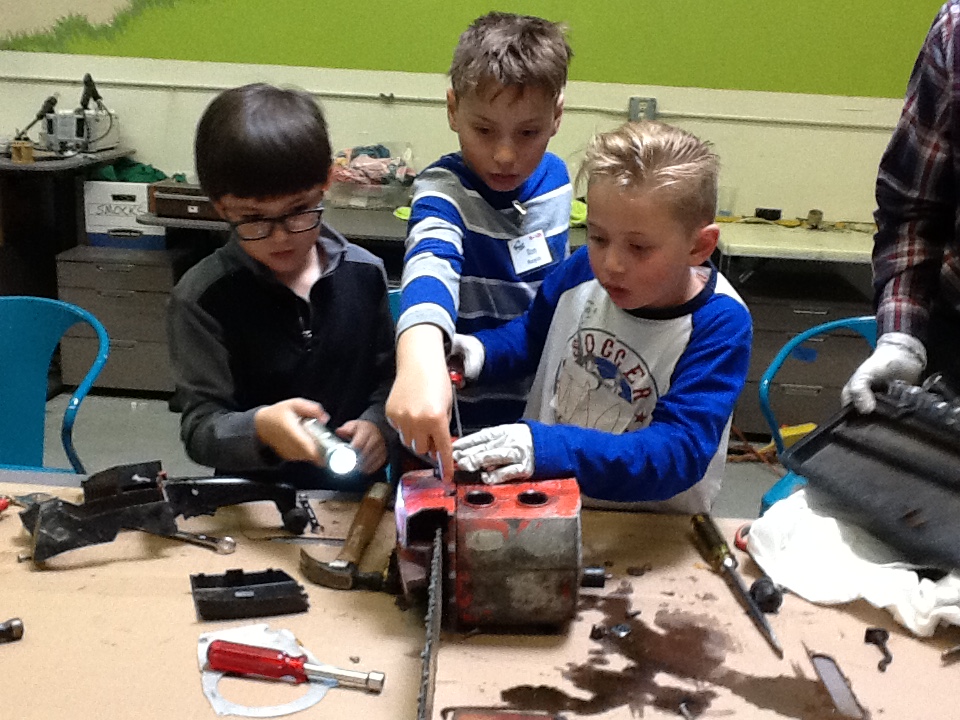
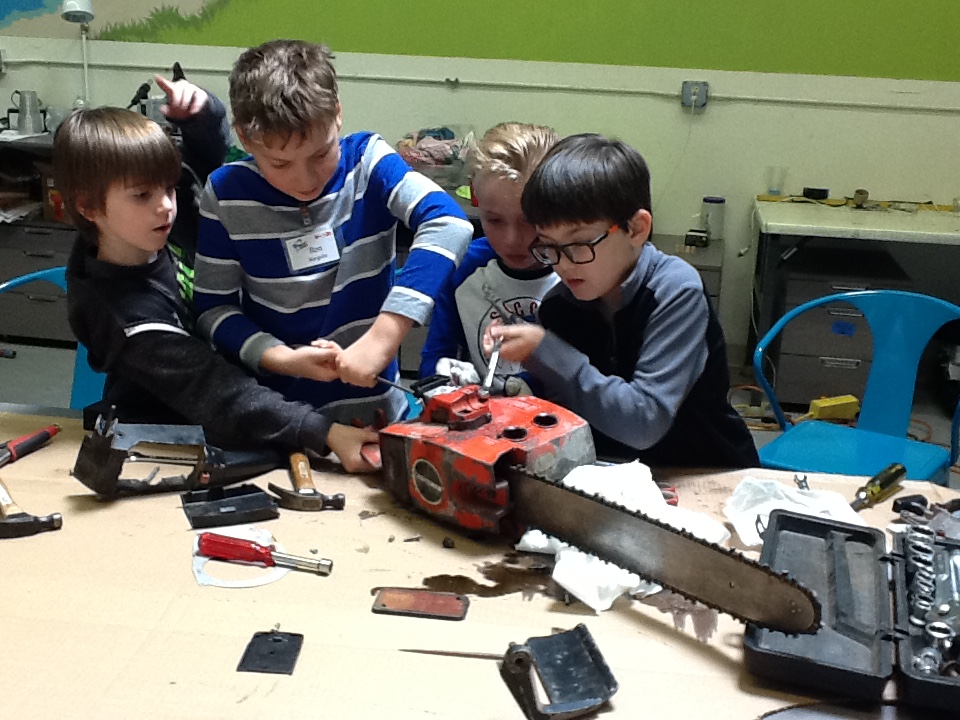
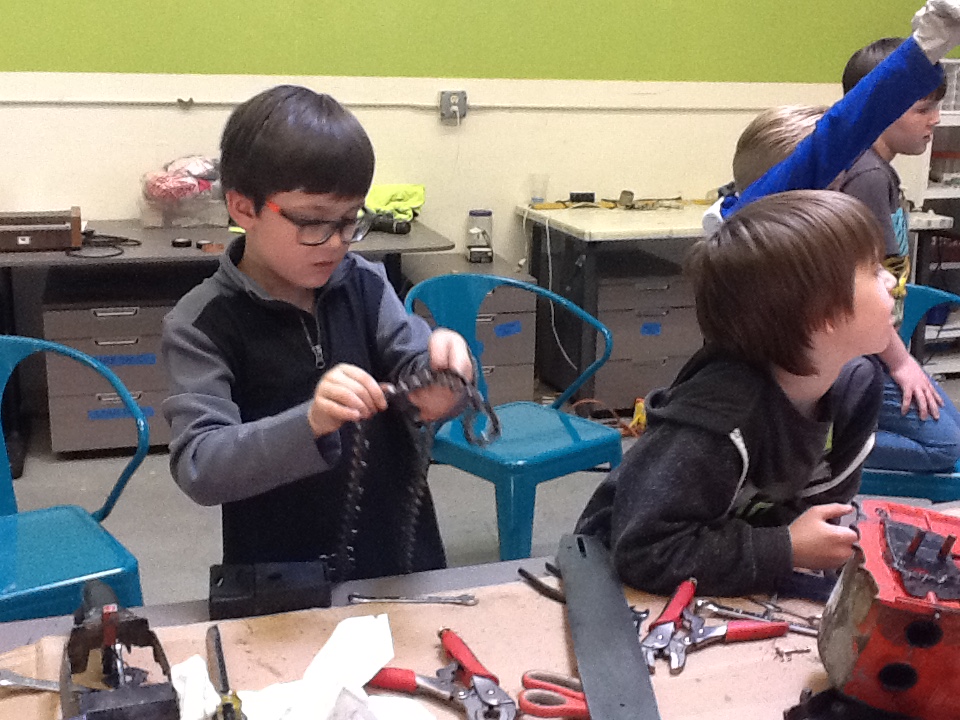
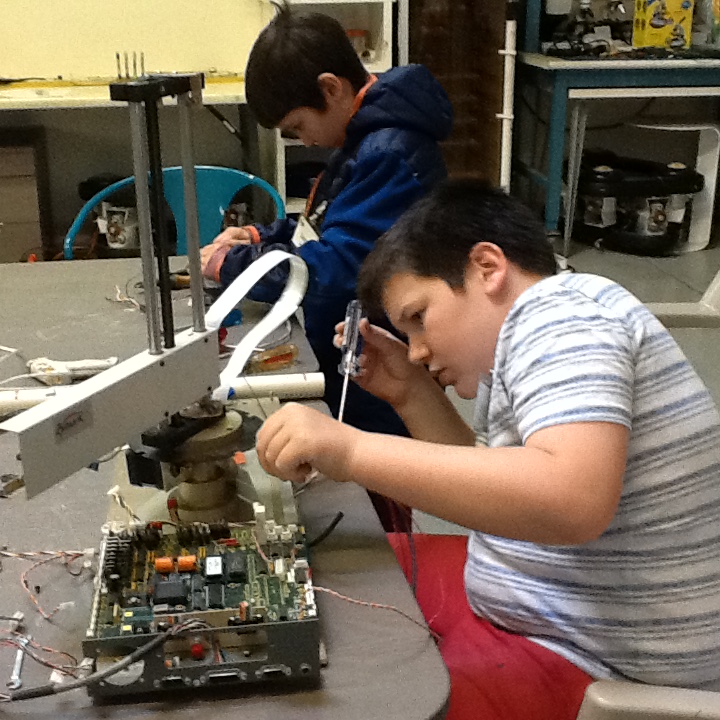
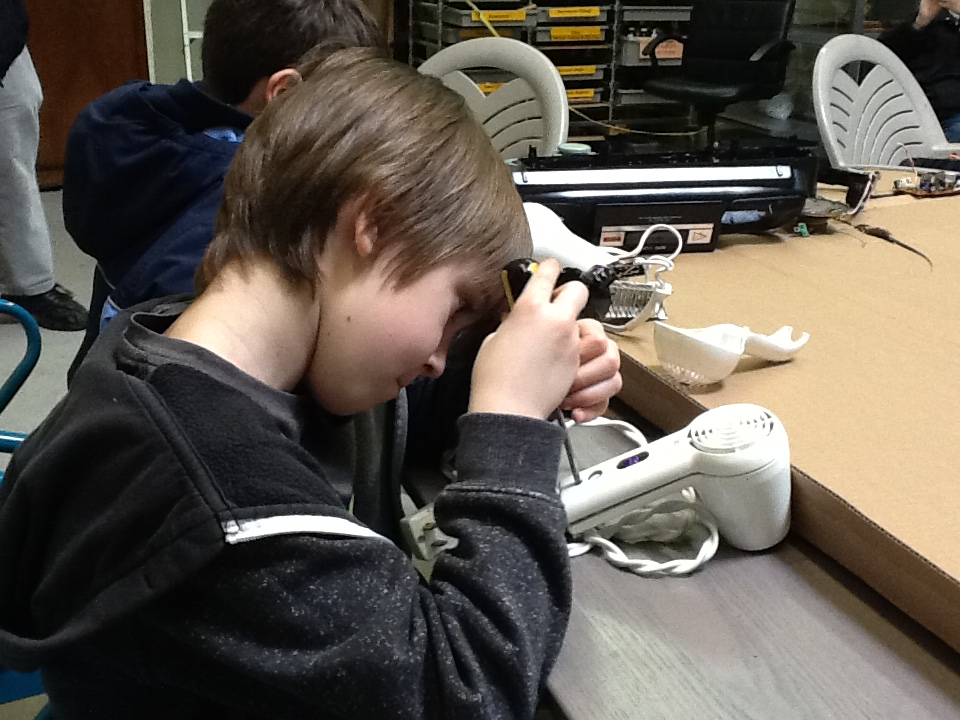
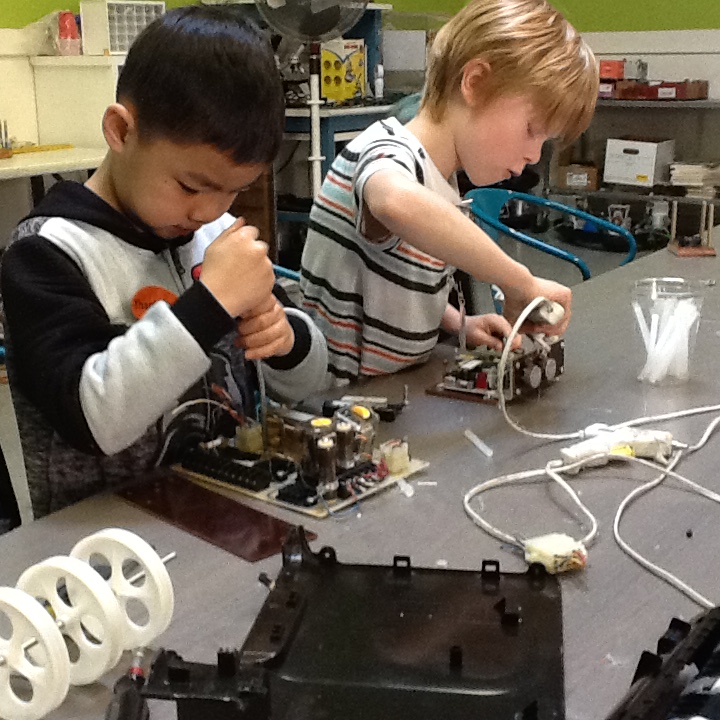
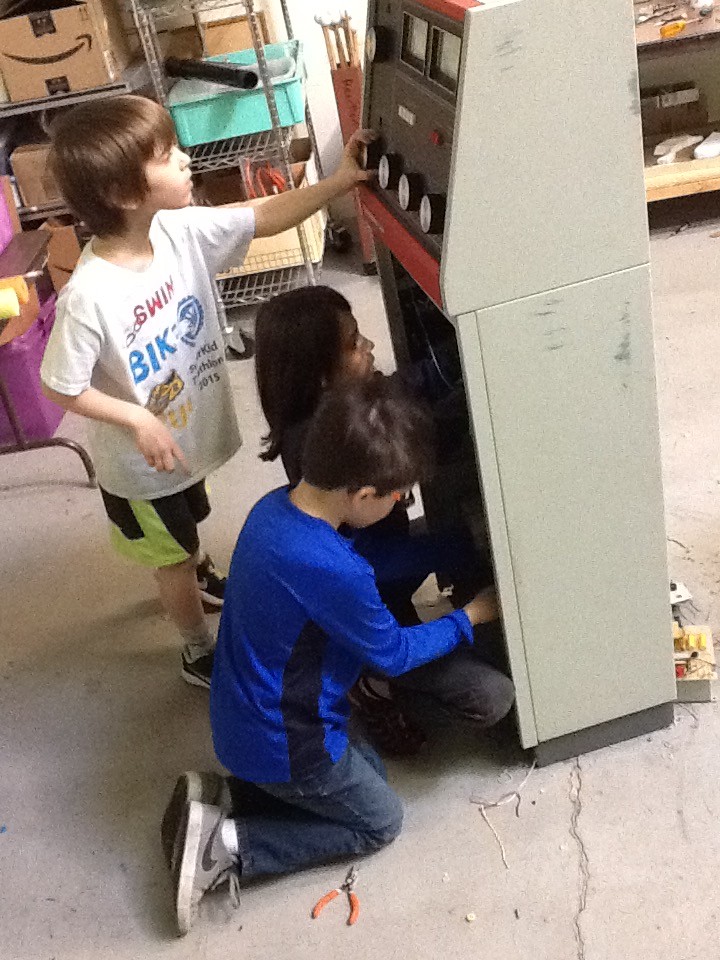
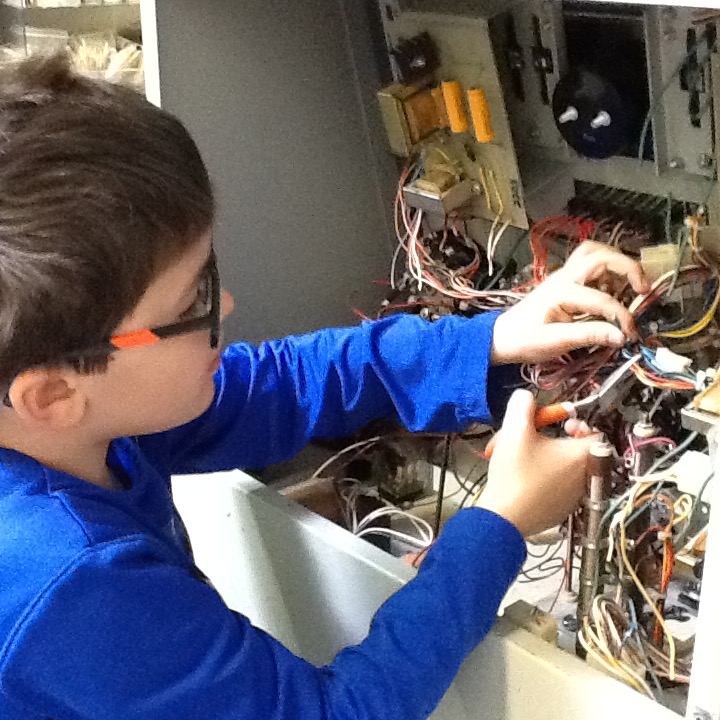
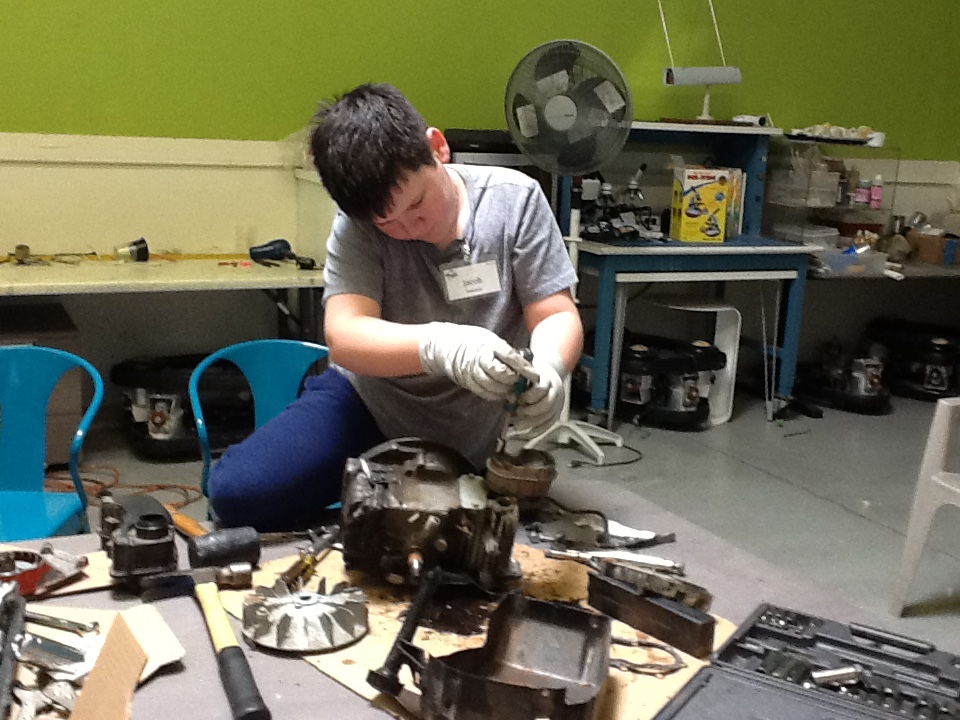
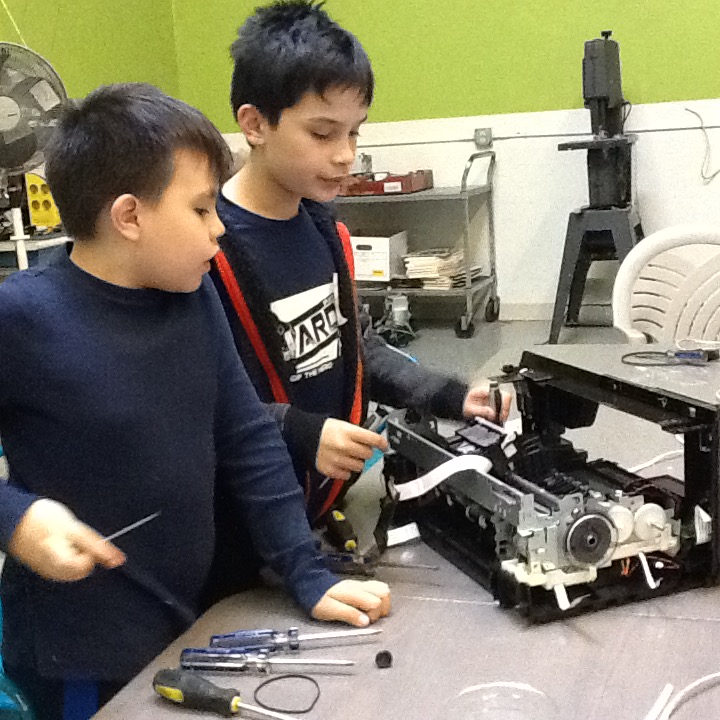
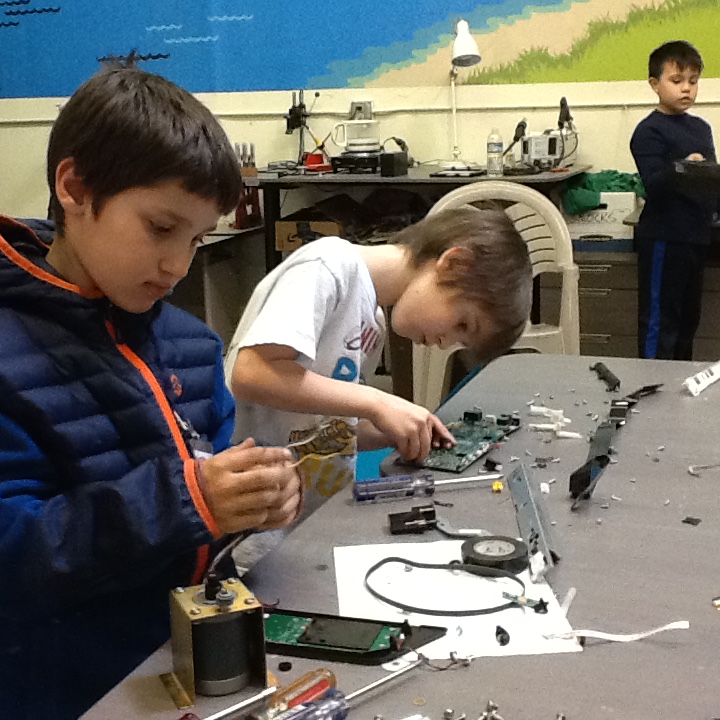
    Kids LOVE to take things apart! (Especially if they don’t have to put them back together again.) In the last few weeks of the Winter Session Maker Lab, Mr. Mac let the kids take apart all kinds of machines that people had donated to us — old computers, hard drives, printers, hair dryers, boom boxes, an x-ray control console, a lawn mower, a robotic arm, and a chain saw!

    The kids got to examine the devices and find all the screws, bolts, tabs, and clips that were holding them together. Little by little, they dismantled the component parts, using various screwdrivers, nut drivers, wrenches, pliers, etc. The lawn mower motor was so old, it took a big steel wedge and a hammer to separate some of the parts!

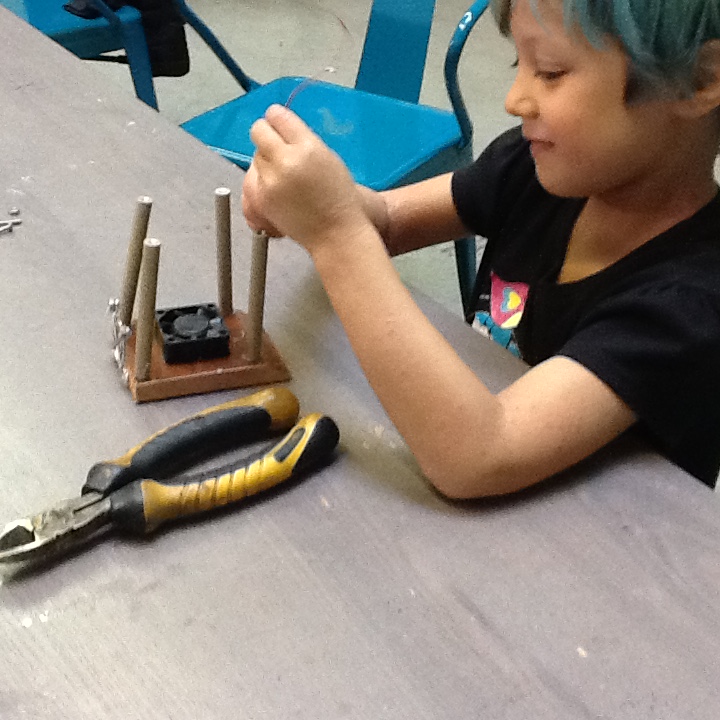
    Afterwards, some of the kids used the parts they removed to make something else (small motors and fans were very popular). Some of them made a sculpture from the parts they pulled out. They also got to take some of the pieces home.

    The Maker Lab isn’t on the schedule for the Spring session, but we’re trying to line up a new teacher so we can offer it again. Meanwhile, scroll dawn to see what these kids were up to!

    Taking apart a chainsaw.
    Kids couldn’t wait to get their hands on this chainsaw.
    Taking apart a chainsaw.
    Four heads are better than one!
    Taking apart a chainsaw.
    Finally got the chain off!
    Taking apart a robotic arm.
    This robotic arm had lots of intricate moving parts.
    Sculpture from machine parts.
    This girl made a sculpture from the parts she removed from the robot arm.
    Take apart hair dryer.
    Kids took apart hair dryers to get the fans out.
    Taking things apart.
    Kids needed patience and focus to get the job done.
    X-ray console.
    Three at once working on the x-ray console.
    Taking apart an x-ray console.
    This x-ray control console was chock full of wires.
    Take apart a lawn mower.
    This lawn mower engine required all the muscle power he could muster!
    Take apart a printer.
    Carefully dismantling a printer to get the carriage assembly out.
    Circuit boards from a printer.
    Circuit boards taken out of a printer.
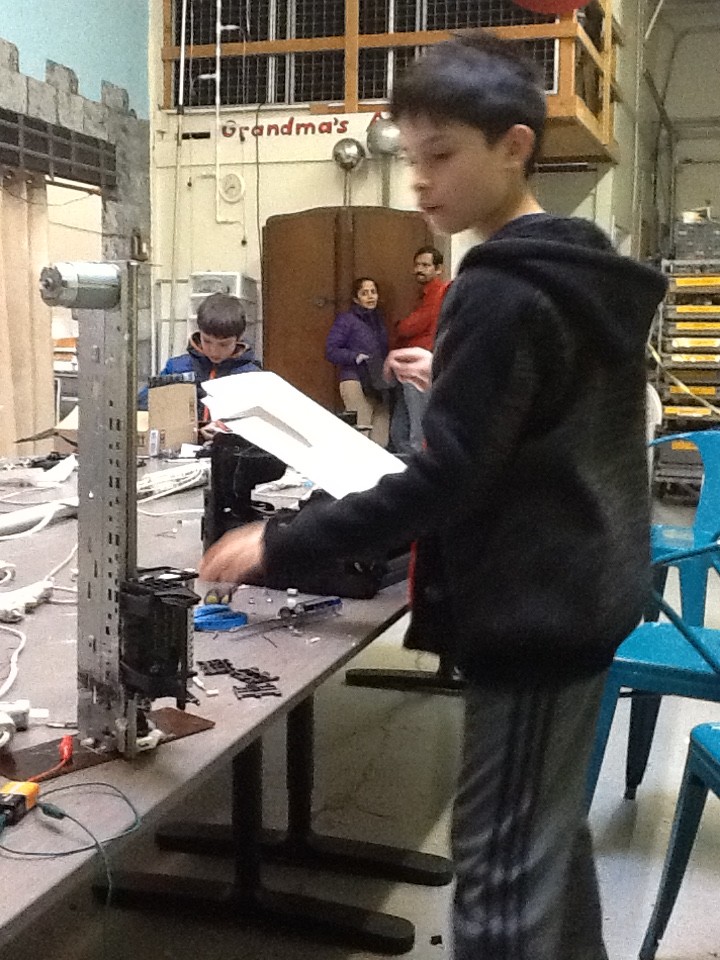
    Elevator from a printer.
    This student turned the printer’s carriage on its end and hooked it up to a battery to make an elevator.
  • Expand Your Child’s Inquisitiveness

    “Education is the kindling of a flame, not the filling of a vessel.” ― Socrates

    Wouldn’t it be wonderful if we could give our children the drive to ask questions and pursue answers until they are satisfied? To a young child, the world is like a huge room full of tables loaded with every imaginable type of food in existence. They want to run in and sample everything until they are full. Every day they can hardly wait to run out and discover something new. Unfortunately, our children are often discouraged from enjoying the riches of knowledge right there in front of them. Our schools force-feed them and demand that they remember certain foods and ignore other foods. If they happen to discover that they really like something in school, they are not allowed to pursue that line of knowledge… they are dragged away and told to try something else.

    It is up to parents to develop and expand the inquisitiveness of their children. At Rock-it Science we encourage silly thoughts, silly stories, and practical experiments so that children will relax and play with the experiments and let their minds wander into the pretend world of Jack and Jill, the evil Mister Fred, and the Acme Store of Everything. As silly as all of this seems, it creates just the right attitude for solving very complex problems. When any person opens their horizons so that they look at the solution coming from the Acme Store of Everything (where they can instantly get anything that they can imagine), they will then be open for a wide range of solutions. After they have a list of possible solutions, then they can evaluate them and find a practical way to solve the problem.

    This combination of pretend solutions, and then practical evaluation of the solutions, is called creative problem solving. We bring it to life by telling a crazy story in which evil Mister Fred cooks up a plan to take over the world, or at least make everyone else miserable, and then Jack and Jill get caught up in trying to stop evil Mister Fred. The students then brainstorm for possible solutions and then they do experiments to test the practicality of one or more solutions.

    Making Cookies This same procedure can be used right in your own home. If you are cooking something like cookies, you could tell your child about how Peter the Paper tiger snuck into the kitchen and chewed holes in your cookie recipe. You really wanted to make some chocolate chip cookies, but part of the recipe is now missing… you don’t know how much sugar to add. Then let your child imagine ways to solve the problem. Of course, after that, you make several small batches of cookies with different amounts of sugar to see how they taste.

    This type of creative problem solving can be used to see how often to water plants, how much detergent to use while washing dishes, what weight of hammer works best to pound nails, what pressure works best in bicycle tires… anything that can be changed becomes an opportunity for a story and an experiment.

    “The more I live, the more I learn. The more I learn, the more I realize, the less I know.” ― Michel Legrand

    The most dangerous thing that can happen to any person is to start thinking that they know more than other people. As soon as that happens, they resist playing with thoughts, ideas and things because they are afraid that people will think less of them for playing with ‘toys’. It is truly depressing when a person will not play with something to see how it works because they fear that they will not be able to come up with a solution. They might say that it is not dignified for a person such as themselves to play with idle toys. If we can instill the attitude in our children that every person on this planet knows something that they don’t know, then we are on the right track.

    “All the world is my school and all humanity is my teacher.” ― George Whitman

    The poor soul living out of a grocery cart by the creek knows what it is like to sleep under a bridge in freezing cold weather, how it feels to discover that someone took their only pair of dry socks, and how to get free food at the local charities. We can learn something from everyone and we can make friends by sharing what we have learned with anyone who asks. Everyone who actively learns and shares their knowledge with others is a benefit to society. Conversely, anyone who does not actively learn and share is a burden to society. Every person is a rich depository of knowledge to those who hunger to learn more each day.

  • On Teaching

    No man can reveal to you aught but that which already lies half asleep in the dawning of your knowledge.
    The teacher who walks in the shadow of the temple, among his followers, gives not of his wisdom but rather of his faith and his lovingness.
    If he is indeed wise he does not bid you enter the house of his wisdom, but rather leads you to the threshold of your own mind.
    The astronomer may speak to you of his understanding of space, but he cannot give you his understanding.

    The musician may sing to you of the rhythm which is in all space, but he cannot give you the ear which arrests the rhythm nor the voice that echoes it.
    And he who is versed in the science of numbers can tell of the regions of weight and measure, but he cannot conduct you thither.
    For the vision of one man lends not its wings to another man.
    And even as each one of you stands alone in God’s knowledge, so must each one of you be alone in his knowledge of God and in his understanding of the earth.

    — Kahlil Gibran
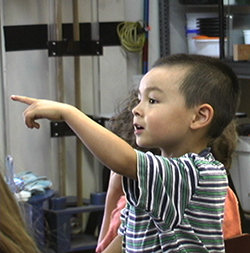
    boypointing_250x253Wouldn’t it be great if we could see how much a child knows and then just coax them a little further each day? Unfortunately, we are inundated with information at such a fast pace that it seems like no one can keep up. Every day we discover new ways to do things, and we create new words to describe our newfound knowledge. Just keeping up with the vocabulary of technology is a full time job! The idea that we can select some knowledge and force children to memorize it so that they can become successful in life no longer works simply because of the vast body of knowledge being created every day. We need to rethink the entire idea of education.

    Children learn faster than we do.

    A child can learn languages and even create new languages faster than adults. They can learn how to use computers and play all sorts of complicated games faster than adults. So why do we put children inside boring rooms and teach them things at such a slow pace? When children are motivated by situations that are exciting and fun, their brains kick into high gear and they can out-learn any adult. This is why we tell crazy stories, try to keep what we are going to do next a secret, and why we try to make every lesson exciting.

    Preventing Mistakes?

    Whenever we try to give children our wisdom by telling them the best way to do things, they rarely listen because we didn’t tell them about all the mistakes we made to arrive at our wisdom. Hearing about the mistakes of adults makes learning more fun for the children. That is why we encourage mistakes at Rock-it Science… after making mistakes, the student has a solid foundation to reinforce their successful methods. If someone else jumps in as a child is about to make a mistake and corrects them, they are effectively short-circuiting the learning process! That is why we discourage parents from helping the children with the experiments. However, there are times when a child does not have the manual dexterity to do things that lead to the discovery process… at those times, we will ask the parents to help if the student asks.

    Future Problems

    Children are not computers that can be programed to solve problems by some magical application of steps or formulas. The problems that our children will face in the future are beyond our comprehension! They will need something far beyond our meager ideals of education. There is no way to cram any sort of information into their heads that will prepare them for their future.

    So… if facts and methods are not the answer, what do they need?

    They need to learn failure… complete, total, and utter failure. And then they need to learn to pick themselves up, look at the carnage, and decide what to do next. In short, our children need to learn how to keep going when everything has gone wrong. The idea that we can just give up when we find adversity is a total recipe for disaster. The people that are needed for the next hundred years and beyond are the ones that keep getting back up for another try at it.

    Do you think that our children would never give up?

    From what I’ve seen in the last few years, we are dangerously close to having children that give up at the smallest sign of failure. I see it every day in our science lessons and it is especially apparent in the brainstorming sessions after every story. As you know, the stories contain a problem for the students to solve. They are told that they can instantly get anything they want from the Acme Store of Everything to solve the problem. I used to say, “If you were Jack or Jill, what would you do?” at the problem-solving stage of the story. For many years, this worked perfectly and the students came up with all sorts of ways to solve the problems. But a few years ago, a new type of answer came up: “I would do nothing.” This answer was troubling, but I let it pass thinking that it would just go away. But it didn’t… it became worse. More students started using it… first the older students, and later the middle students. And then came the shocker: “I would just kill myself.”

    Wow. I didn’t expect that. And, it too didn’t go away.

    So I changed the way that I asked the question. Instead of saying, “If you were Jack or Jill, what would you do?”, I changed the wording to say: “If you were Jack or Jill, what could you get from the Acme Store of Everything to solve the problem?” That eliminated part of the problem because they were focused on objects rather than their attitudes, but the underlying condition is still there.

    Now what?

    The way to deal with this is to create situations where our children have to struggle with problems on their own. If they ask questions, (and you should encourage this any way you can), you should answer their question with one of your own that may help them narrow down the possible answers.

    It wouldn’t hurt for parents to explain that the things our children hear on television and on their computers are stories that are very unusual and are designed to attract attention by making us upset. All of our news is brought to us because the messengers make money doing it. If they can create an emotional response and more people click on the story, they make more money. Children need a way to counteract this barrage of horrible news. They need a strong defense mechanism that will constantly reaffirm their faith in people. Children should be encouraged to keep a diary of every good thing that they see or hear about each day to counteract all the bad stuff they find in the media. As this diary grows, they can browse through it whenever they feel discouraged and lift their spirits. If they are upset by something that they have no way to fix, you can ask them what they would ask for if they could call the Acme Store of Everything and instantly get anything they wanted. Then they could write the problem and their solution in their diary to gain peace of mind.

    “We can find peace of mind when all the fighting has stopped;
    But the fighting will not stop until we have peace of mind.”

    John McChesney (“Mr. Mac”)
    Director, Rock-it Science
  • Science Videos are Now Free!

    Good news! In order to make it easier for teachers to get started with Rock-it Science, we’ve decided to make ALL of the lesson videos on our web site FREE to view. After watching the video, if you’d like to present the lesson yourself, then you have the option of downloading the Teacher Guide. All you need to do is register here if you haven’t already done so (registration is free).

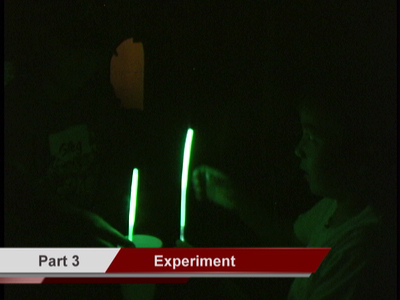
    Speaking of videos, we just uploaded a new one called “Glow Sticks,” in which students learn about chemical reactions and how to speed them up or slow them down.

    Glow Sticks Experiment

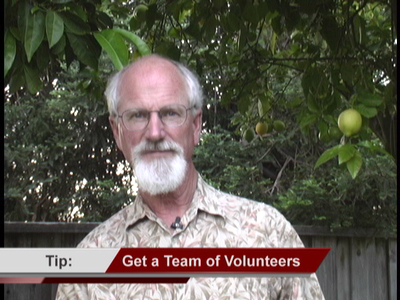
    And finally, if you’re serious about presenting Rock-it Science lessons, please don’t try to do it all by yourself. It’s a lot of work, but there are ways to share the load. Here’s another one of our Tips for Teachers about how to keep it fun and not get burned out.

    Get a Team of Volunteers

    Enjoy the lessons!
    John McChesney (“Mr. Mac”)
    Director, Rock-it Science

  • “Tips for Teachers,” “Helium Balloons,” and other Fun Stuff

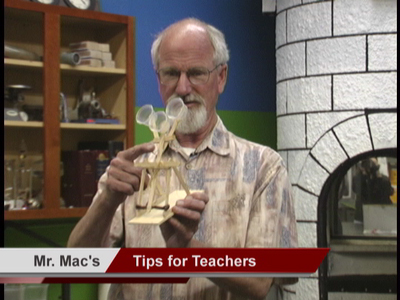
    After posting several lesson videos on this web site, I decided it might be useful to explain to teachers not only HOW to present a lesson, but WHY I chose to do each lesson the way I did. So I’ve added a short “Tips for Teachers” video to our free lesson, “Catapults.” It explains why we deliberately withhold certain information from the students when we present this experiment. In the next couple of weeks, I’ll add these Tips videos to the other lessons, too. You can see the Tips for Teachers video clip here. (You’ll need to log in first to access these videos.)

    Catapults Tips for Teachers

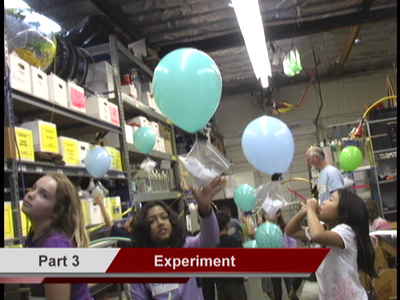
    We also have a new rental video, “Helium Balloons,” where students experiment with air pressure and wind power. See it here.

    Helium Balloons Experiment

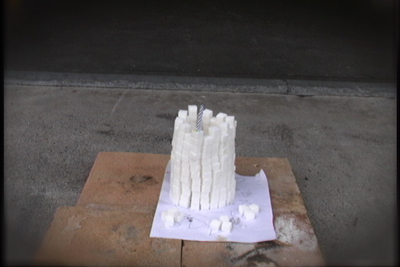
    A few days ago, one of my teen students brought me an “Evil Mr. Fred’s Castle” made of sugar cubes. We talked about diabolical things we could do with it, but we didn’t have time that day. So I decided to videotape it and share its fate with everyone. Watch it here. Thanks, Emma!

    Sugar Castle

    Last but not least, we have a job opening for a 2012 Summer Camp Assistant. You can see the job description here. If you know anyone with the temperament to work at Rock-it Science, please pass along the link to them.

    Have a great weekend!
    John McChesney (“Mr. Mac”)
    Director, Rock-it Science